

Yeast infections are extremely common in dogs being fed a kibble diet. Identifying a yeast infection early on can help prevent an escalation of yeast related issues such as itching and ear infections. Catch this frustrating fungus before it causes more problems!
Symptoms of a Yeast Infection
Yeast shows up in many different ways, and each dog can develop different symptoms. Here are a few things to look out for:
Frito Feet: While this is not a scientific term, it is surprisingly accurate. Pets with yeast infections in their paws often have foot pads that reek of…. you guessed it…. corn chips. While not an unpleasant smell, it is usually obvious and one of the first symptoms. Even if your pet has not had a yeast infection before, smelling its feet occasionally, regardless of how weird that sounds, might not be a bad idea.
Discoloration of the Skin and Coat: Red yeast can often be seen in the paws as well as in tear stains under the dog’s eyes. Severe yeast infections can lead to dark skin discoloration.
Ear Infections: These are a particularly nasty side effect of yeast that can cause the pet a great deal of pain and discomfort. Symptoms of an ear infection can be scratching of the ears, red skin and inflammation, pain when the ears are touched, dark discharge, and a strong smell.
Paw Licking: Dogs with yeast issues often repetitively lick and chew at their feet. They aren’t doing it just to irritate you, this may be a sign of a bigger issue!
Itchy Skin: One of the most obvious symptoms of a yeast infection is relentless itching and scratching. Though this could be a symptom of other issues as well, such as intolerances, and these issues are often linked together.
My Dog Has Yeast…. What Now?
Unfortunately, not all yeast infections have the same cause, though the reason for yeast overgrowth is very often due to a problem in the gastrointestinal tract of the pet. Yeast is naturally occurring in the digestive tract of dogs, but problems arise when the yeast growth gets out of control. Take a look at some of the recommended diet and supplement suggestions to get your pet’s yeast overgrowth under control.
Dietary Changes
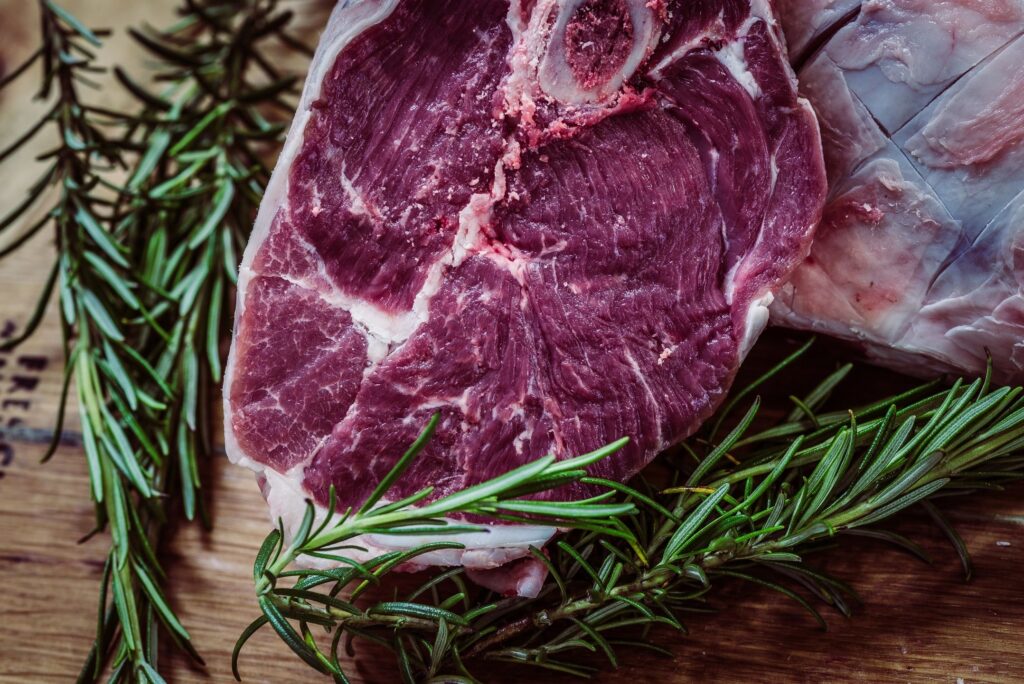
Yeast feeds off carbohydrates and starches in the pet’s diet. To get yeast overgrowth under control and keep it under control, it is important to look into a food with less carbohydrates. Unfortunately, this is a challenging task, especially when feeding a kibble diet, as kibble, even top of the line kibble, is high in starch. Raw diets are the best choice to combat yeast, but for many people they are just not a good fit. Stop by Treats and ask a staff member to help you find a low starch option that fits the circumstances of your pet.
Supplements
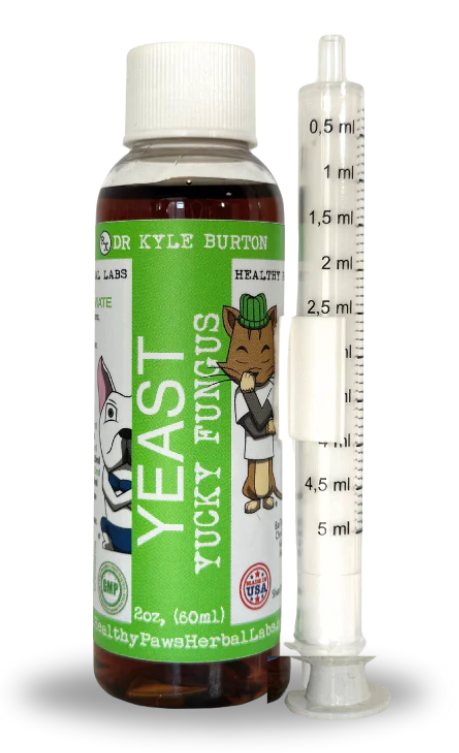
Healthy Paws Herbal Labs Yucky Fungus: This herbal supplement is a natural antifungal treatment designed to rid the body of yeast while also providing relief from itching and scratching. This supplement also boosts the immune system and is designed to start relieving yeast symptoms within a couple of days. The supplement is meant to be used for at least a month, even after symptoms are gone. For more severe infections, longer usage may be necessary for optimum results. Consider following this supplement with a high quality, durable-strained, probiotic to replenish the gut microbiome with healthy bacteria and prevent recurring overgrowth.
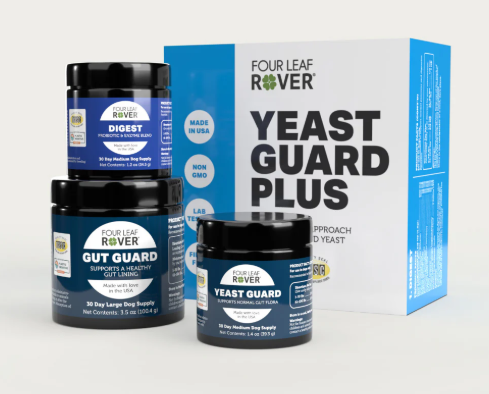
Four Leaf Rover Yeast Guard Plus: This mix of three powdered supplements is designed to not only kill off yeast overgrowth, but also to repair the gut wall and repopulate the gut with beneficial bacteria to minimize the risk of future yeast overgrowth. This supplement includes Yeast Guard, an antifungal, Digest, a probiotic and digestive enzyme blend, and Gut Guard, a supplement to help repair the damaged gut wall of the pet.
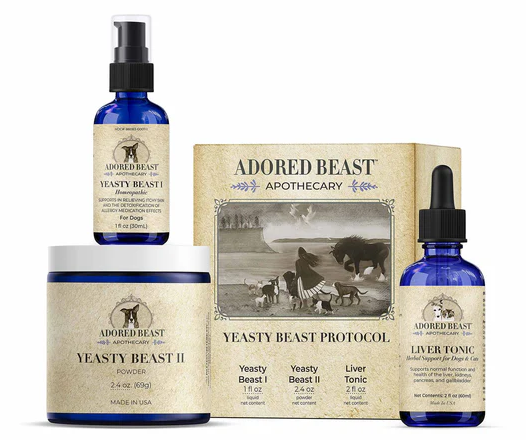
Adored Beast Apothecary Yeasty Beast Protocol: Yeasty Beast Protocol is a collection of three supplements designed to be used together to combat yeast. Liver Tonic is used to detoxify the liver, pancreas, and kidneys, providing support of the internal organs while also supporting a normal histamine response, protein synthesis, and biochemical production. Yeasty Beast I is a homeopathic solution that is used for detoxification while also providing itch relief. Yeasty Beast II is an internal powder made from enzymes and herbs that target yeast without causing a large yeast die-off and the symptoms that go along with it. Used together, these supplements target both the symptoms and the cause of yeast, remaining effective despite the milder approach to targeting yeast.
Topical Aids
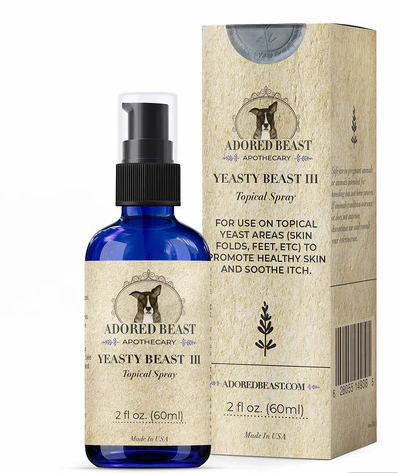
Adored Beast Apothecary Yeasty Beast III: This topical spray is an effective way to manage symptoms of yeast overgrowth on the skin and coat. It contains apple cider vinegar, as well as a variety of herbs to soothe itchy and irritated skin. Topical yeast overgrowth can cause a variety of different issues, including skin infections. Yeasty Beast III provides you with a way to manage yeast symptoms and topical yeast overgrowth as your dog is undergoing yeast elimination treatment. It is recommended that this product be used with other internal yeast treatments, as it is designed to deal with topical symptoms and does not get to the root of the problem.
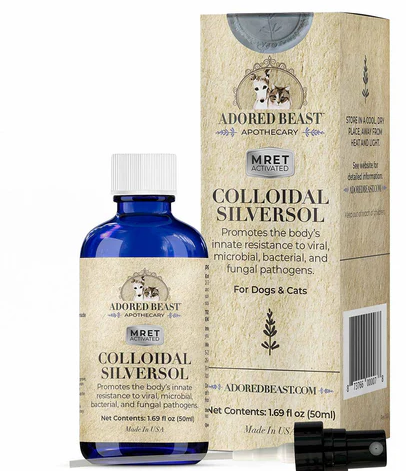
Adored Beast Apothecary Colloidal Silversol: Colloidal Silver is a natural antibacterial, anti-fungal, antimicrobial, and anti-inflammatory. This topical spray helps to kill harmful yeast without harming the beneficial skin biome of the pet. It is commonly used for topical infections, including ear infections. This topical treatment works best when used with an internal yeast treatment.
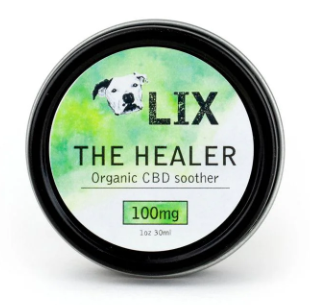
Lix CBD Balm: This combination of coconut oil, jojoba oil, and CBD (along with other beneficial ingredients) is great at creating an environment that is uninhabitable for yeast. This balm also helps soothe the skin and heal up skin damaged by the infection when used with one of the internal yeast supplements.
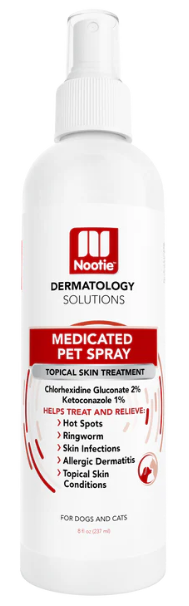
Nootie Medicated Pet Spray: This spray is made with antifungal and antibacterial ingredients to help heal up topical yeast infections. The veterinary strength ingredients create a safe and effective method of combatting yeast while also generating a safe environment for the skin to heal. Nootie Medicated Pet Spray also provides speedy itch relief, making it a beneficial topical solution to use during an internal yeast protocol. While it may not rid a dog of a yeast infection on its own, when used with an internal yeast supplement this spray aids in fighting topical yeast and soothing the skin of the pet.
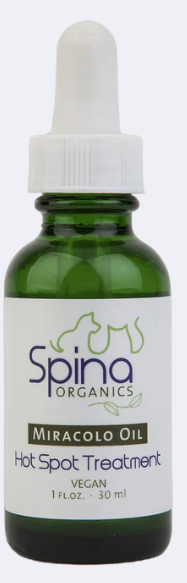
Spina Organics Miracolo Oil: This gentle blend of oils and vitamin E helps repair the skin and promote healing. It also relieves itching and is extremely beneficial when used on hotspots. Use this topical oil on spots where the skin is damaged or injured. The relief this oil provides makes it a great topical solution to use when your pet is undergoing an internal yeast treatment.
Tips and Tricks
Yeast is a tricky fungus to identify, but it can be an even trickier problem to solve. Before you start to tackle your pet’s problem, it is important to keep a couple of things in mind.
- Yeast needs to be combatted internally to prevent a recurring issue. Simply using a topical solution to combat yeast will likely not be enough to stop the problem at its source. Topical solutions are beneficial to control yeast symptoms while the pet is undergoing treatment. Yeast infections make pets miserable, and topical solutions provide them with relief while the internal supplements work to solve the problem.
- It is extremely important to change the pet’s diet. Feeding yeast with starches and carbohydrates will make it easier for the yeast to grow. Diet related issues are the most common cause of yeast. Consider choosing a limited ingredient diet to minimize the number of ingredients in the food and reduce the pet’s likelihood of ingesting something to which it is intolerant. Though it is important to change the pet’s diet, it is also important to transition foods, just like with any pet food change. For advice on how to transition and how quickly to proceed, talk to a staff member directly for more personalized advice.
- Using an internal yeast supplement will cause the yeast in the pet’s system to die. Live yeast releases lots of toxins into the pet’s system, but a yeast die-off releases MORE! This means that the symptoms of the infection may be more pronounced for several days after the treatment starts before you notice positive changes. This is normal, and the milder yeast supplements, such as the Adored Beast Yeasty Beast Protocol, will not have as extreme of an effect.
- Treating a yeast infection can take a long time, depending on the severity of the infection. Consistency is important, and supplements should be used for the entire recommended duration to prevent a recurrence. Some supplements work better than others for specific dogs with specific problems. Talking to a staff member can help you determine which supplements will work best for your pet.
So, your dog has yeast…. Though this is quite a problem, it is not something untreatable. Have a conversation with a staff member about finding foods and supplements that will work for your pet!